New homes & pre-construction in San Francisco
8 active developments in San Francisco, California — get pricing, floor plans, and first access before the public.
8
Active developments
$386,500 – $2,300,000
Starting-price range
1 types
Home types
8
Active builders
San Francisco's new-construction market on this platform is entirely vertical: all 8 active developments are condo projects, which reflects how new housing tends to get built in a dense, land-constrained city. Starting prices run from $386,500 at the accessible end to $2,300,000 for higher-floor and larger residences, so the range covers both entry-level buyers and those shopping the luxury tier.
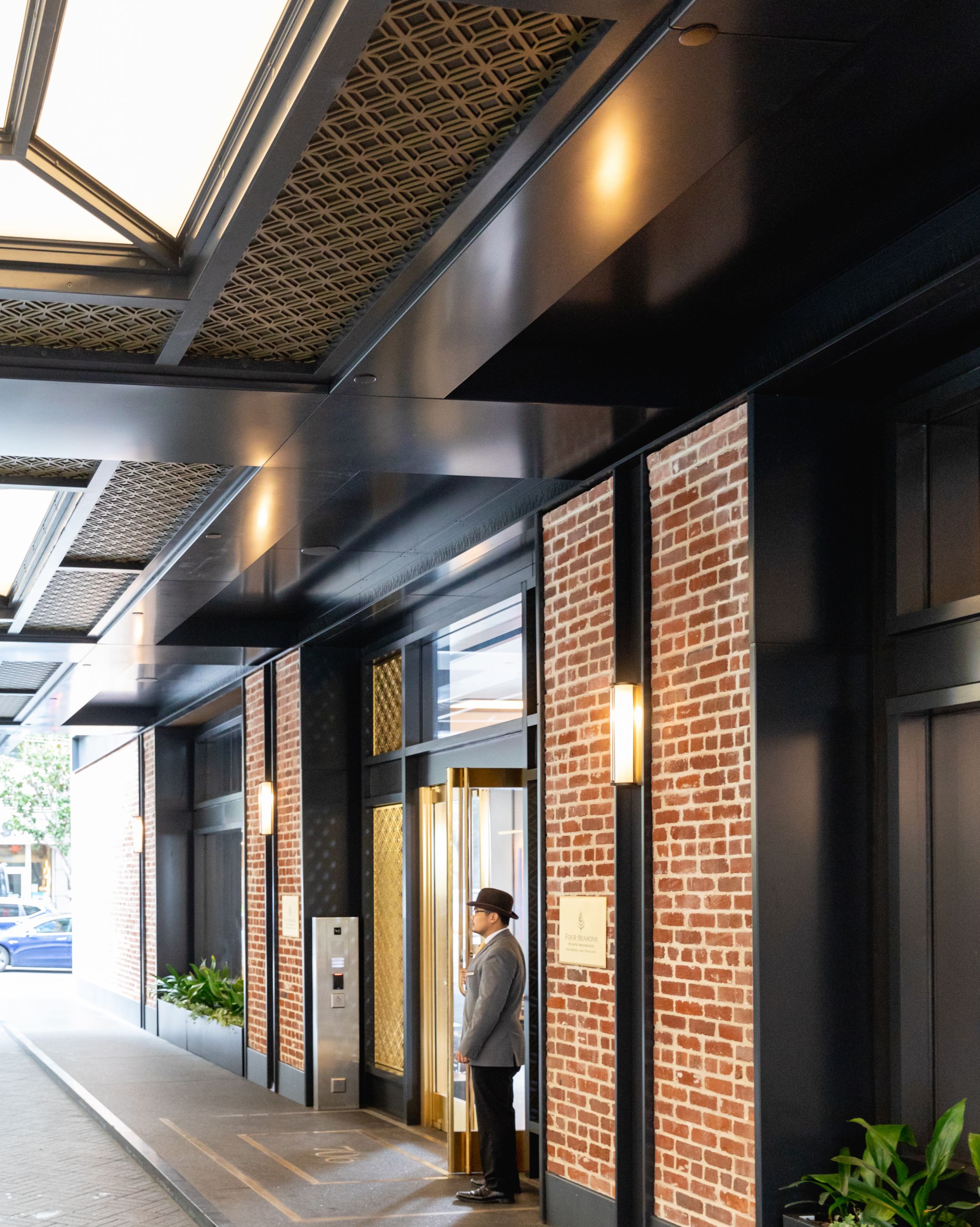
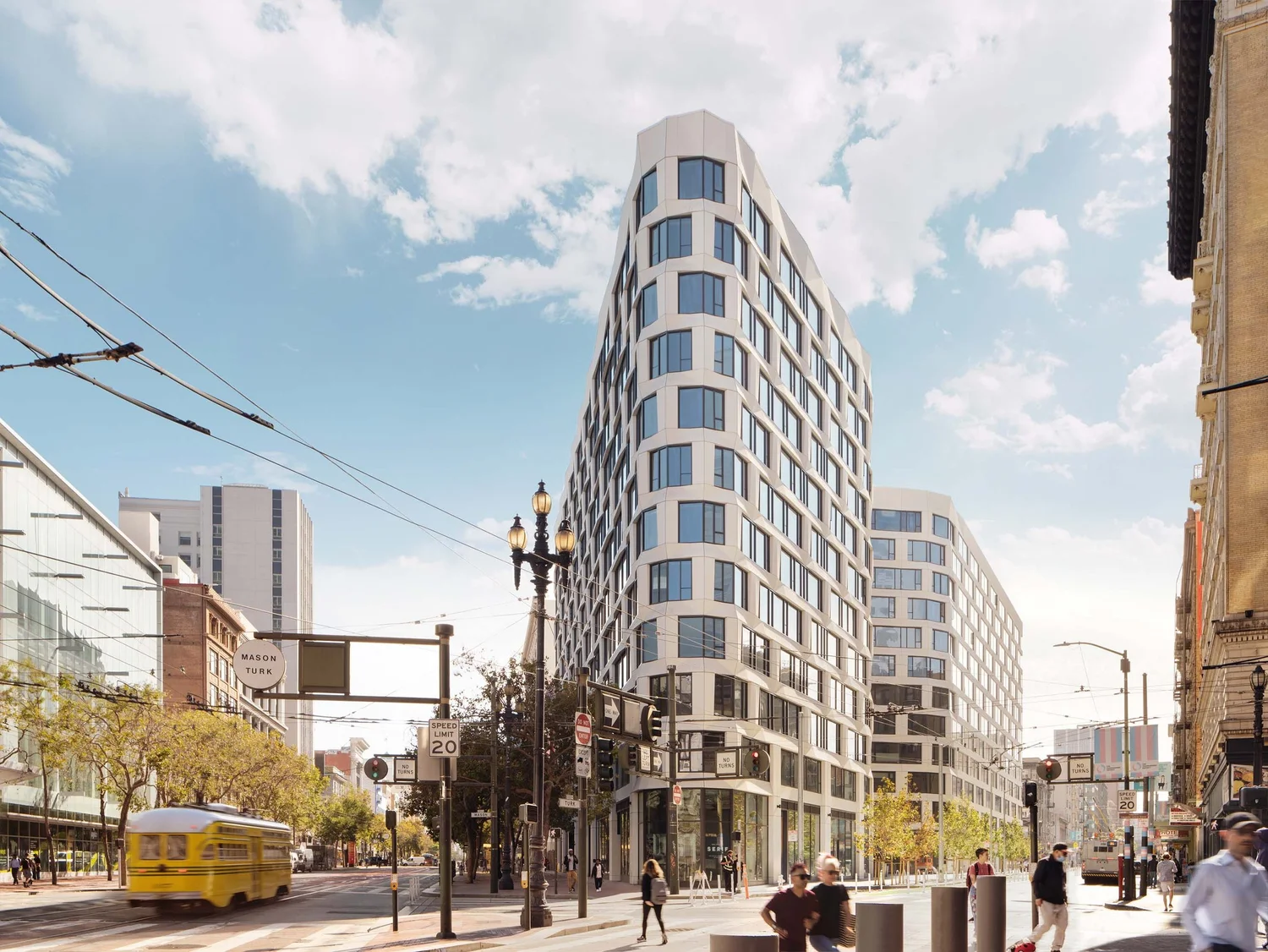
The builders here are established names in institutional and residential development, including Tishman Speyer, Maximus Real Estate Partners, Paramount Group, L37 Development (formerly Group I), Related California, Westbrook Partners, Grosvenor, and Jay Paul Company. Several of the projects are recognizable towers and mid-rises: MIRA, The Harrison, One Steuart Lane, Serif, The Avery, and the Four Seasons Private Residences 706 Mission.
What sets buying here apart is the concentration of amenity-rich condominium living in and around the downtown and waterfront corridors. Because the supply is condo-only in this set, buyers are comparing floor plans, views, building services, and price-per-square-foot rather than choosing between houses and towns — the decision is about which building and which floor, not which home type.
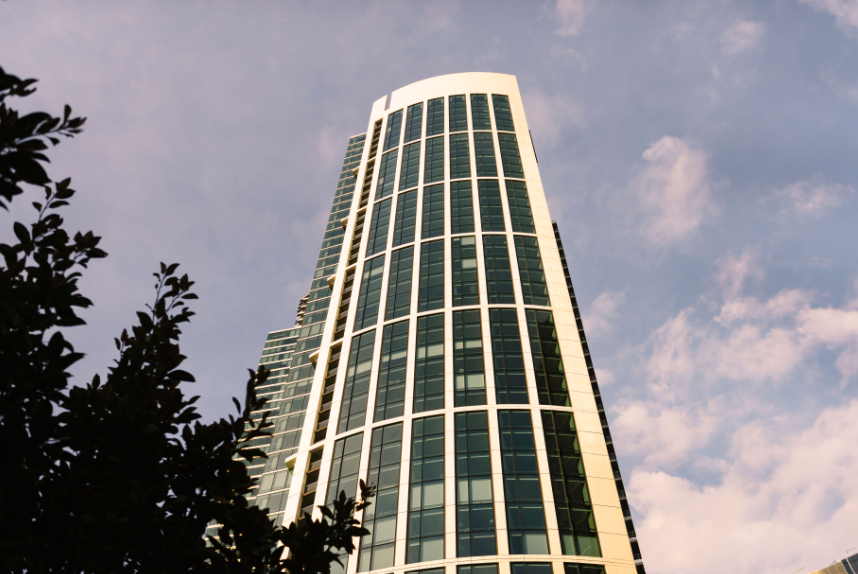
condo
The Harrison
Maximus Real Estate Partners
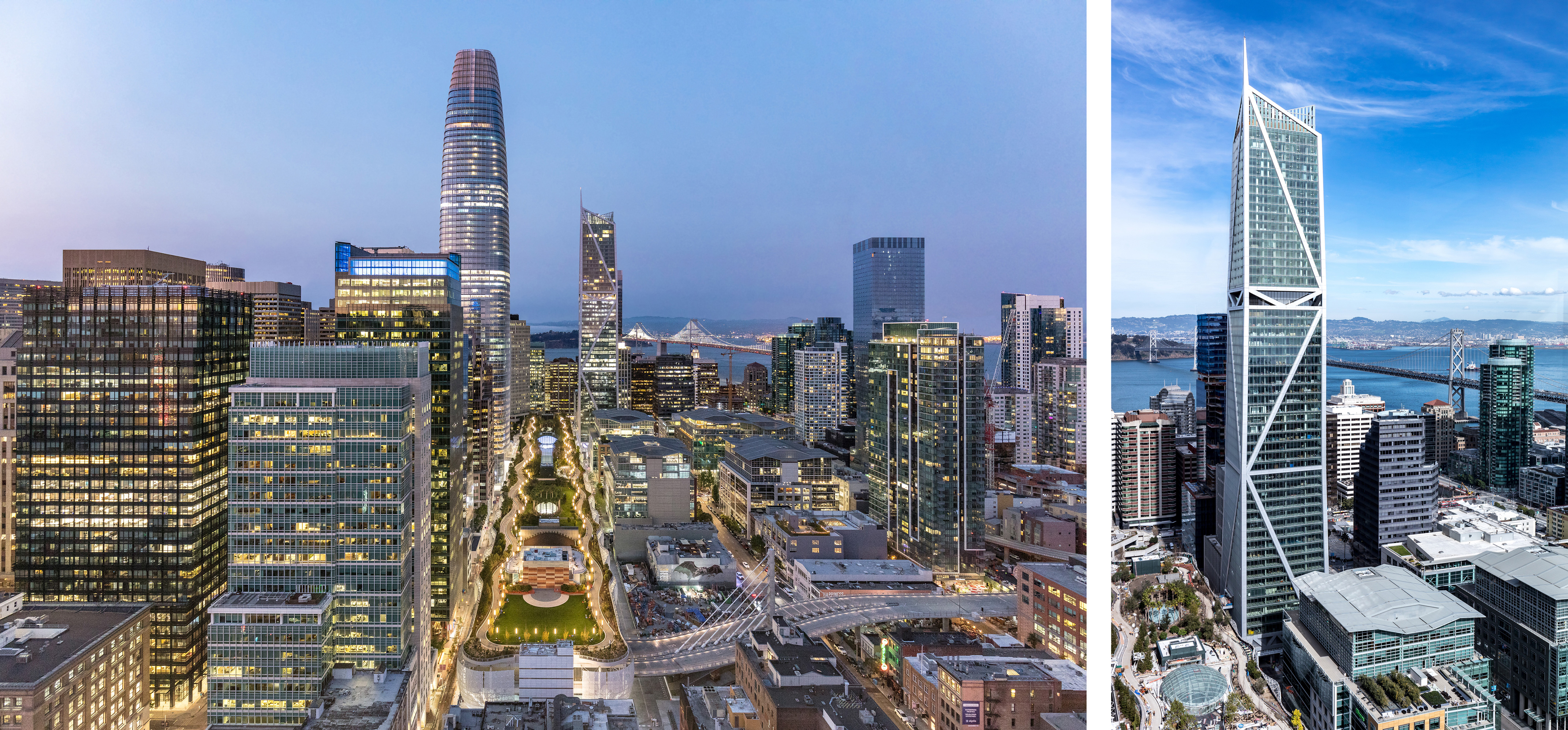
condo
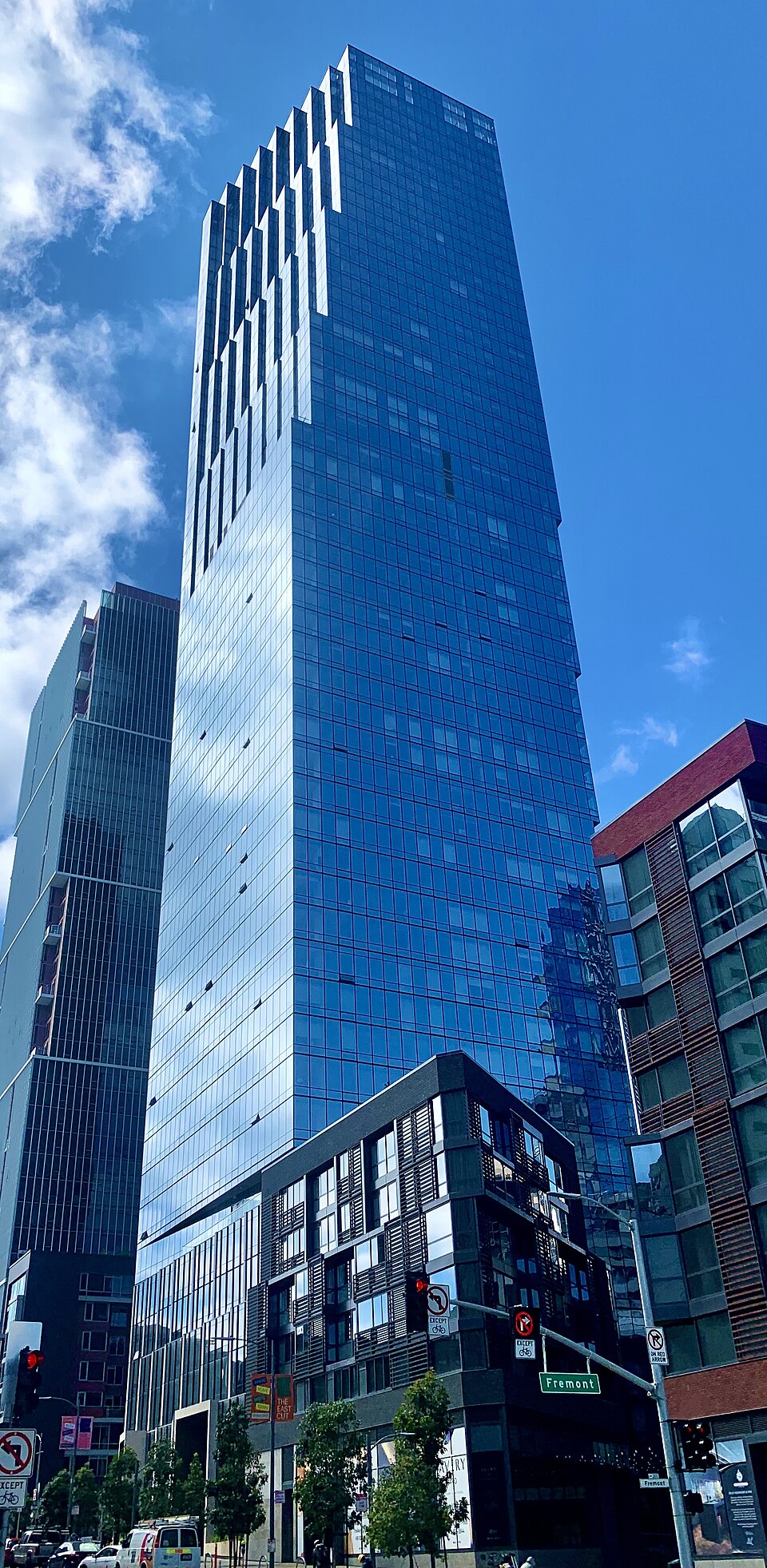
181 Fremont Residences
Jay Paul Company
From $1,185,000
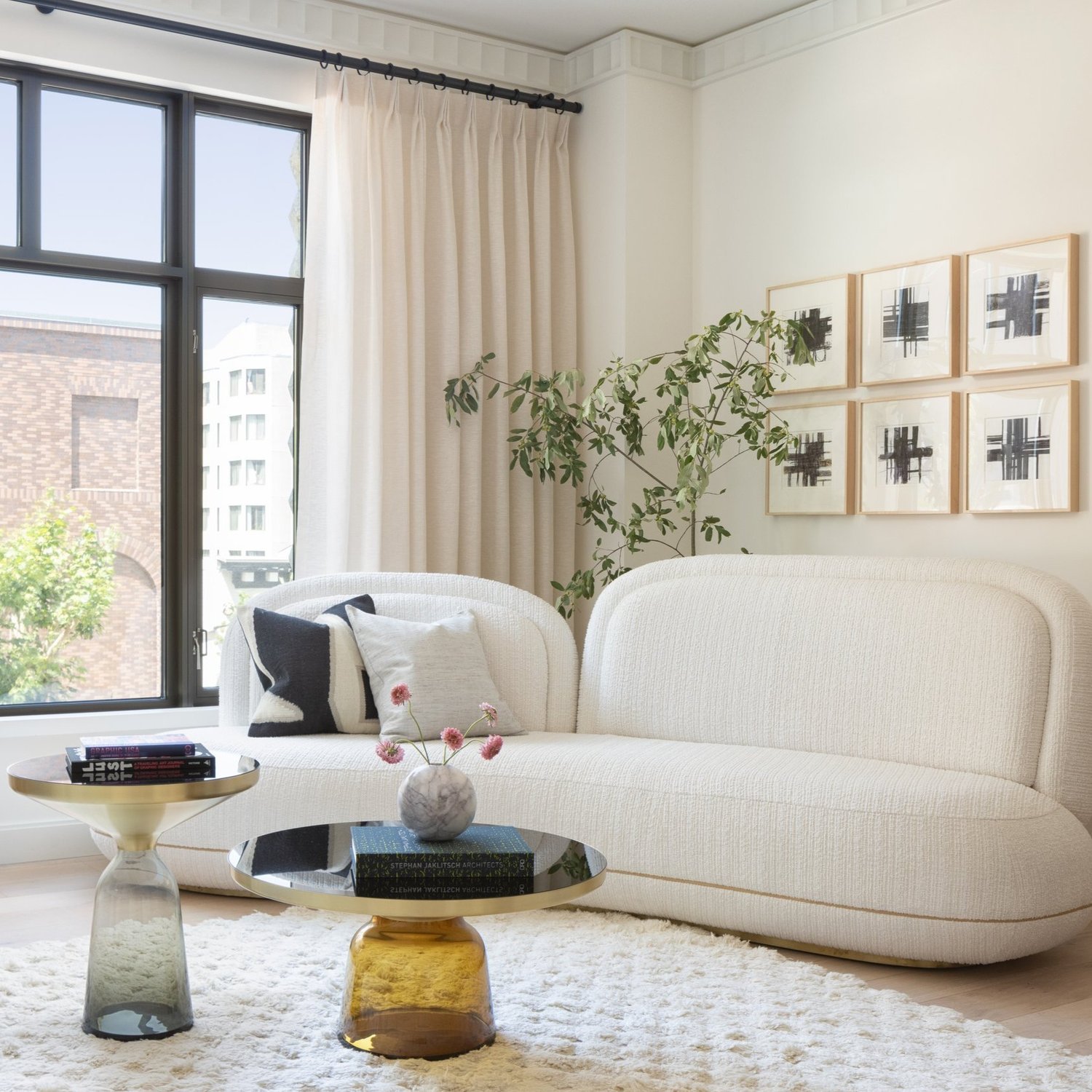
condo
Crescent Nob Hill
Grosvenor
Builders active in San Francisco
Buying new construction in San Francisco
How buying pre-construction works in San Francisco
Buying pre-construction in San Francisco usually starts with registering interest in a project, which can put you in line for first access to units, pricing, and floor plans when a release opens. Once you choose a unit, you sign a purchase agreement and pay a deposit, which is commonly structured in installments tied to milestones rather than a single lump sum. During construction you're holding your chosen residence; the final purchase completes at closing when the building is ready for occupancy.
Because timelines span months or years, review the purchase agreement carefully — including the deposit schedule, estimated completion, and any provisions covering delays or changes. Consider having a real estate attorney or an agent experienced with new construction review the contract before you sign, and confirm the specifics of each builder's process, since terms vary from one development to the next.
For investors: what matters in San Francisco
Pre-construction condos let a buyer commit to a unit today with a staged deposit rather than the full purchase price, which means you control a specific residence through a construction period while paying in installments toward closing. For investors, the factors that matter most in San Francisco are local: how much new condo supply is coming online and how quickly it sells (absorption), rental demand in the immediate neighborhood, and the specifics of the home type — since this market is entirely condos, HOA costs, building amenities, and floor/view premiums all affect carrying costs and resale positioning.
Before buying, evaluate the builder's track record (the names here are established developers), the deposit schedule and what each installment funds, the estimated occupancy and closing timeline, and how the unit's price-per-square-foot compares within the same building and against nearby projects. Nothing about pre-construction guarantees a future price; treat it as a way to structure a purchase over time and do your own diligence on the numbers.
San Francisco new-construction: common questions
What's the price range for new condos in San Francisco on this platform?
Starting prices across the 8 active developments run from $386,500 to $2,300,000 USD. The lower end reaches entry-level buyers while the higher end covers larger and higher-floor luxury residences.
What types of homes are being built?
All 8 active developments here are condominium projects. There are no single-family or townhome listings in this set, which reflects how new housing is typically built in a dense city like San Francisco.
Which builders are active in San Francisco?
Active builders include Tishman Speyer, Maximus Real Estate Partners, Paramount Group, L37 Development (formerly Group I), Related California, Westbrook Partners, Grosvenor, and Jay Paul Company. These are established institutional and residential developers.
What are some of the projects available?
Sample developments include MIRA, The Harrison, One Steuart Lane, Serif, The Avery, and the Four Seasons Private Residences 706 Mission. These are concentrated in and around the downtown and waterfront areas.
New homes in nearby cities
Are you a real estate agent in San Francisco? Claim these pages and their buyer leads — free →