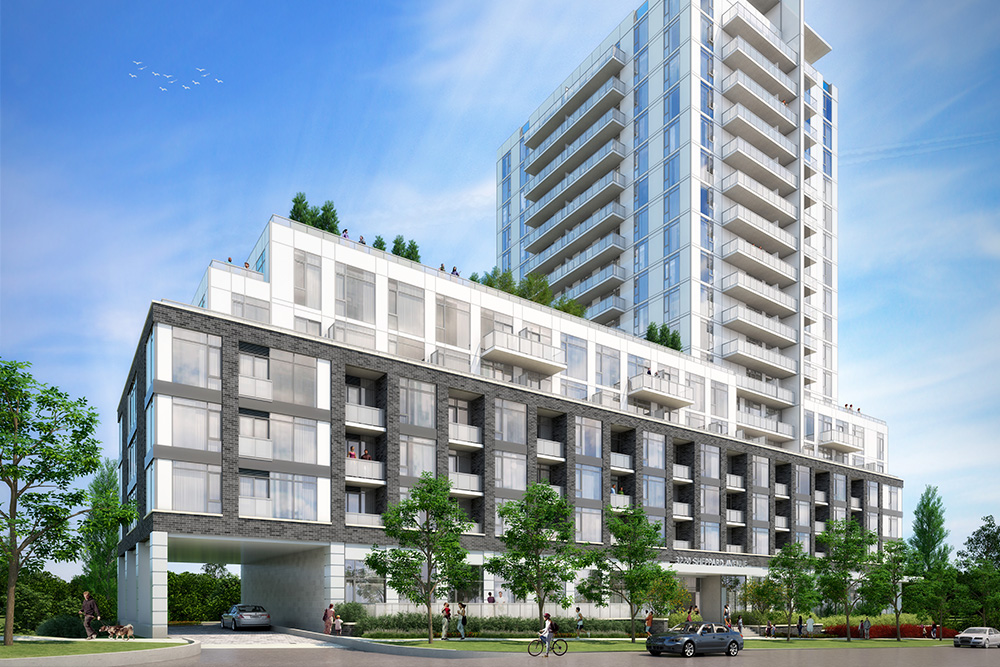
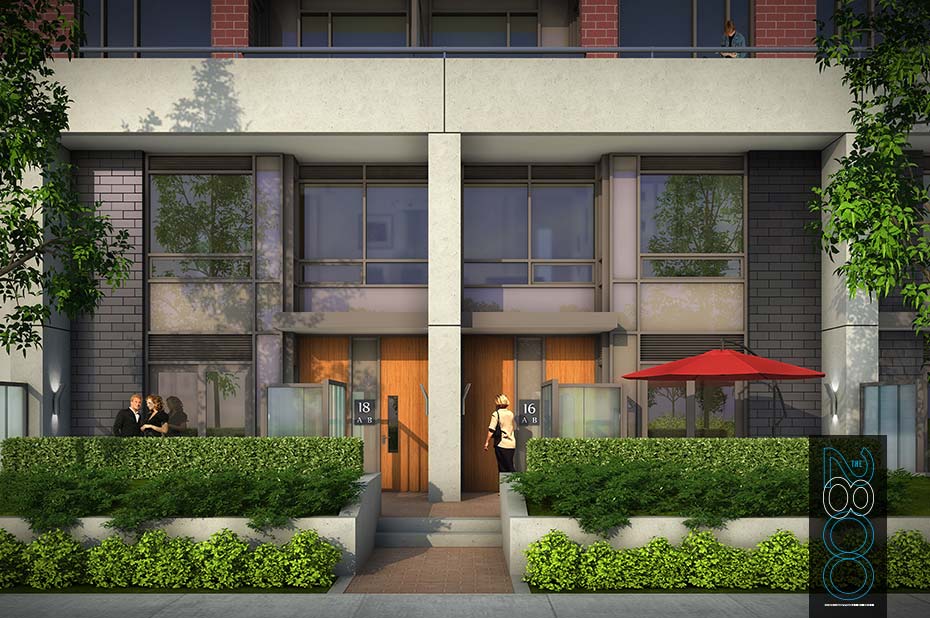
New homes & pre-construction in Toronto
219 active developments in Toronto, Ontario — get pricing, floor plans, and first access before the public.
219
Active developments
$995 – $6,000,000
Starting-price range
3 types
Home types
99
Active builders
Toronto currently has 93 active new-construction developments on the platform, with starting prices spanning $400,000 to $6,000,000. That range reflects how wide the market is here — from entry-level condo suites to larger, higher-end residences — so buyers at very different budgets are shopping the same city.
The mix leans heavily toward condominiums: 61 condo projects alongside 4 townhome projects. If you want a low-rise or ground-related home in Toronto, the options are far more limited than the apartment-style supply, which is worth keeping in mind if townhomes are your target.
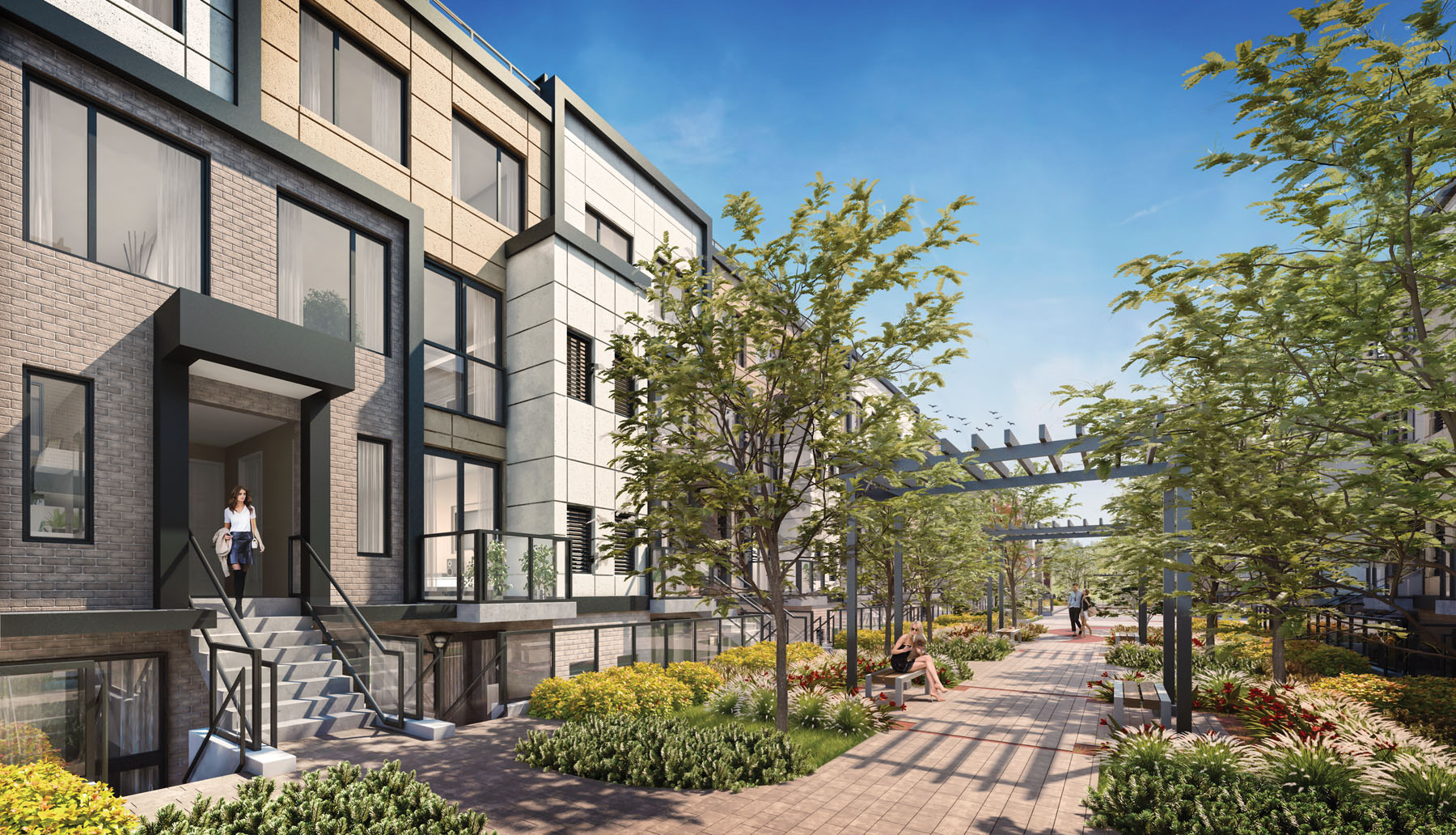
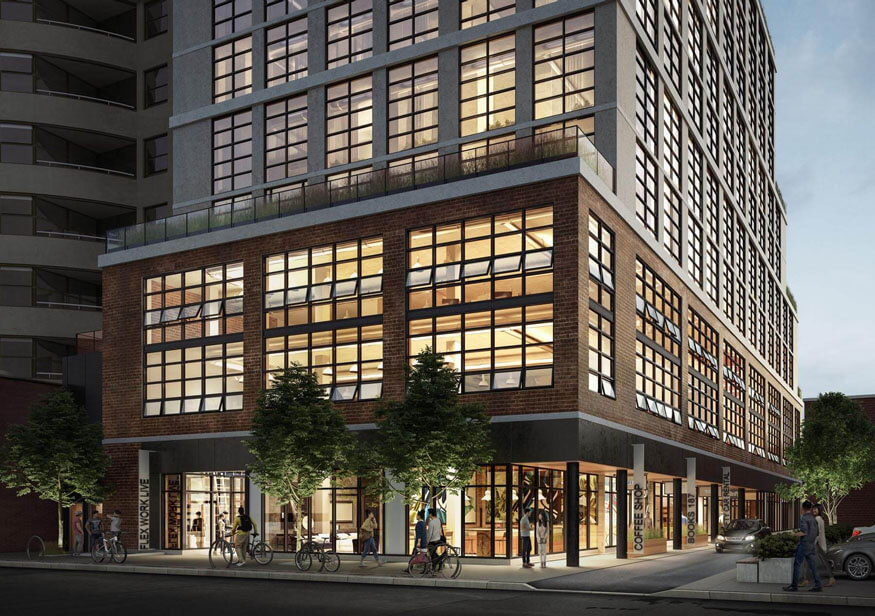
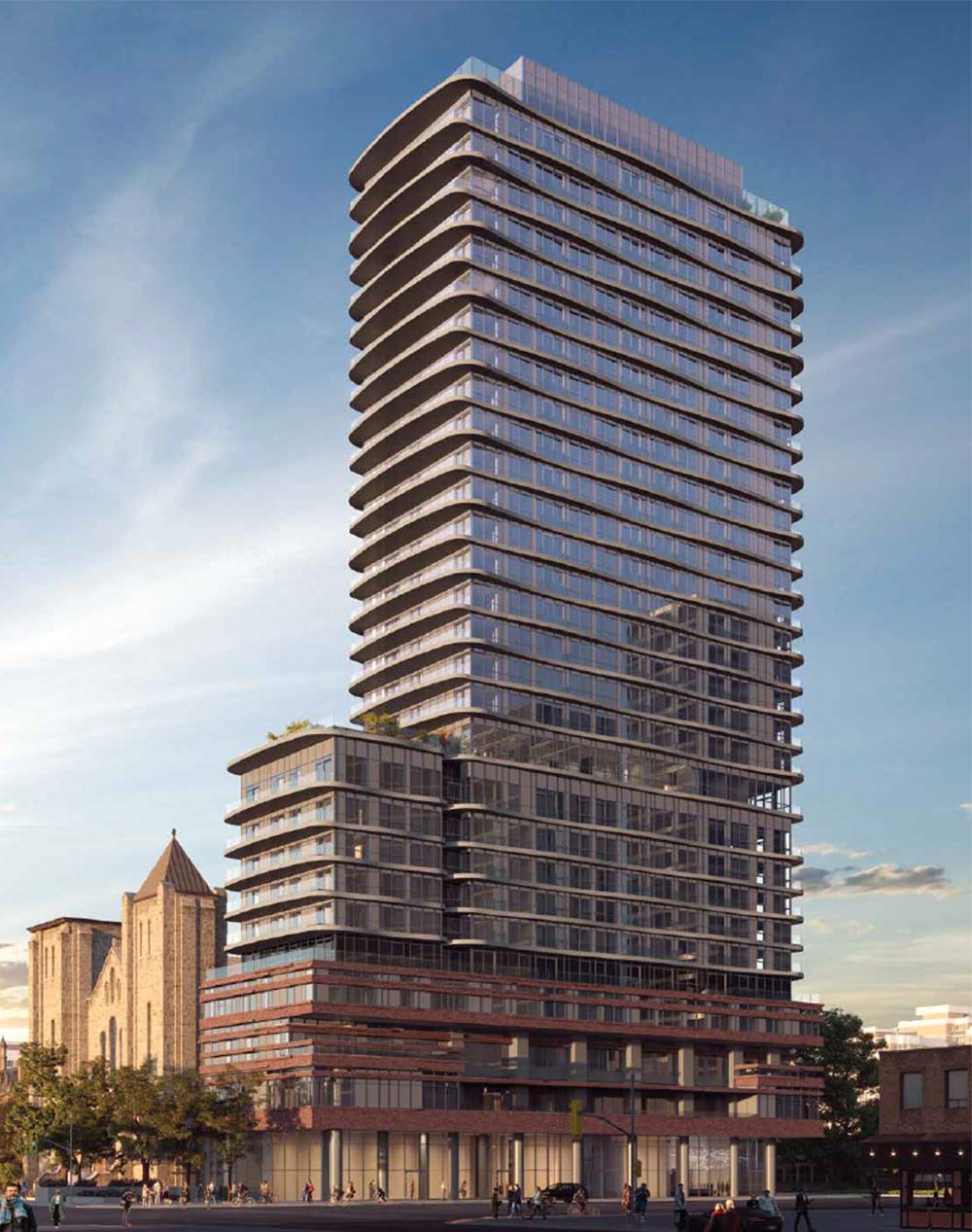
Builders active in the market include Tridel, Daniels Corporation, Great Gulf, Altree Developments, Arkfield, 95 Developments, Fairway Developments, and The Sud Group of Companies. Current projects give a sense of the spread across the city — examples include 75 Billy Bishop Way Condos, The Towns of Lambton Mills, 522 Royal York Condos, The Paxton, Poyntz, and Yonge & Churchill.
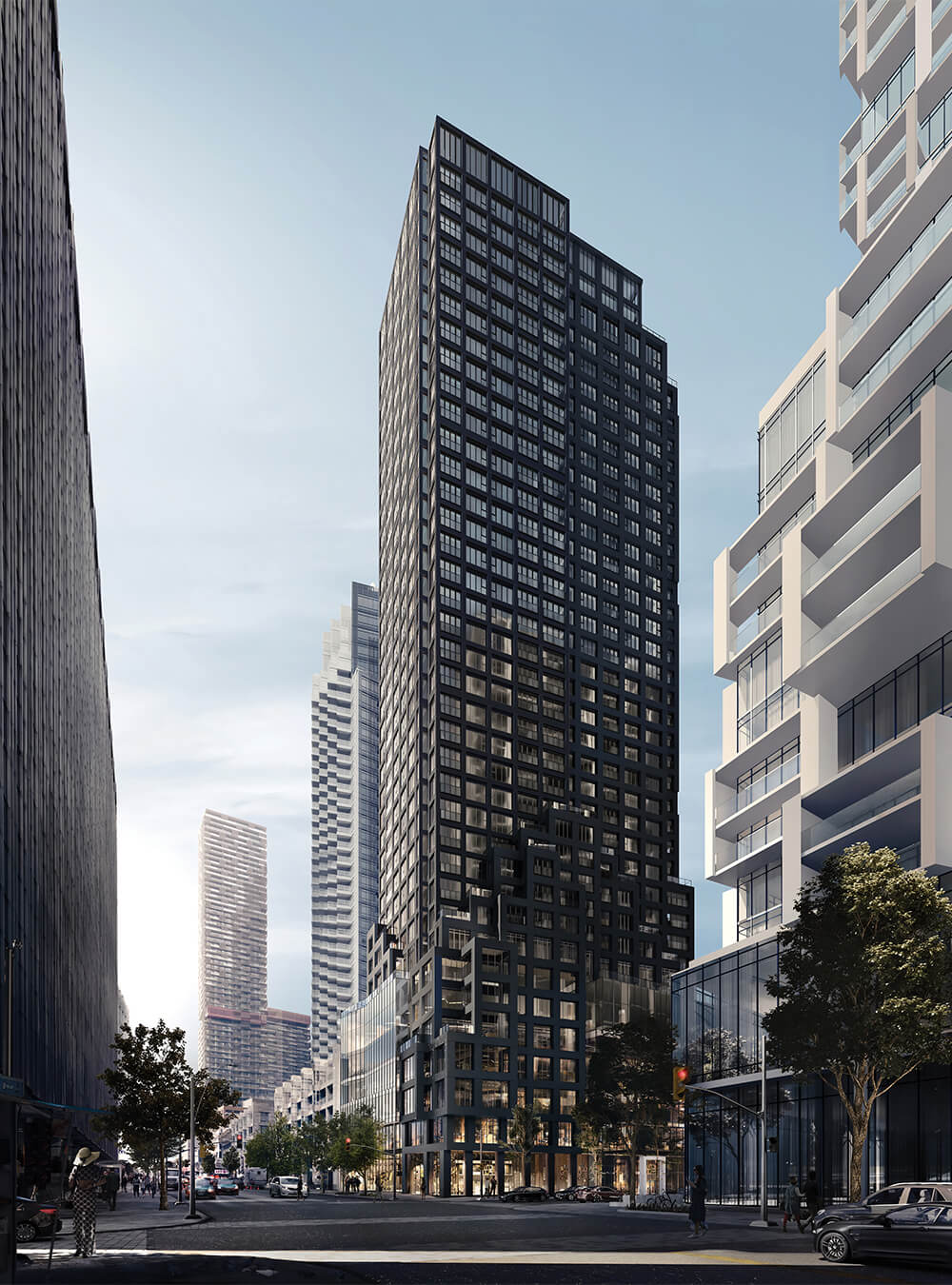
condo
Y&S
Tribute Communities
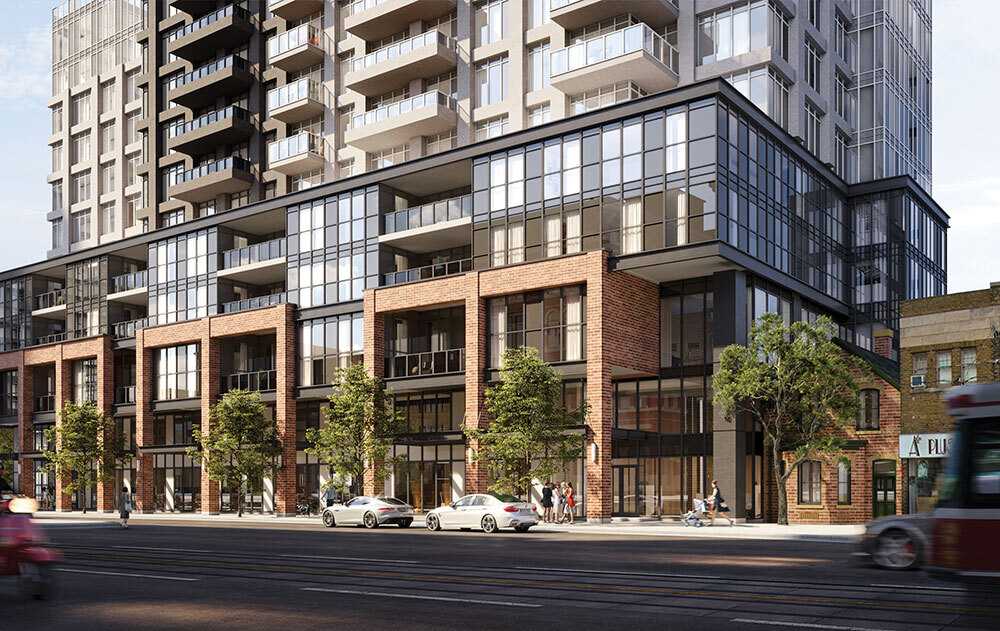
condo
Linx
Tribute Communities
From $442,990
condo
Artistry
Tribute Communities
From $632,990
Builders active in Toronto
Buying new construction in Toronto
How buying pre-construction works in Toronto
Buying pre-construction in Toronto usually starts with registering interest, which can get you first access to pricing and floor plans ahead of a broader public launch. Once you select a unit you sign an agreement of purchase and sale and pay a deposit in stages tied to milestones — an initial amount on signing, then further installments over the coming months. With condos there's often an interim occupancy period, where you move in and pay an occupancy fee before the building is registered, followed by final closing once title can transfer.
Ontario gives new-condo buyers a specific safeguard: a 10-day cooling-off (rescission) period under the Condominium Act. Within those 10 days you can cancel the agreement for any reason and get your deposit back. Note this protection applies to new and pre-construction condominiums only — it does not apply to freehold houses, which matters if you're buying one of the townhome-style freehold products.
For investors: what matters in Toronto
Pre-construction works differently from resale because you commit to a unit today with a staged deposit rather than paying the full price up front, then close once the building is complete. That structure lets a buyer control a specific unit over a multi-year build period while paying in installments — but it also means your capital is tied up and the outcome depends on what the market looks like at closing, not today.
Before buying in Toronto, weigh the things that actually move a local market: how much new supply is coming (with 61 condo projects active, the condo segment is deep), how quickly comparable units are absorbing, rental demand in the specific neighbourhood, and which home type you're buying — condo versus the scarcer townhome inventory. Read the deposit schedule, occupancy terms, and any assignment restrictions carefully, and run the numbers on carrying costs. None of this predicts appreciation; it's about understanding the risks and cash-flow realities before you sign.
Toronto new-construction: common questions
What's the price range for new construction in Toronto?
Across the 93 active developments on the platform, starting prices run from $400,000 to $6,000,000 CAD. That spread covers everything from entry-level condo suites to larger high-end residences, so the right project depends heavily on your budget and home type.
What types of homes are available?
The market is condo-dominated. There are 61 condo projects and 4 townhome projects currently active. If you're set on a townhome, expect much thinner inventory and less choice than the condo segment offers.
Which builders are active in Toronto?
Active builders include Tridel, Daniels Corporation, Great Gulf, Altree Developments, Arkfield, 95 Developments, Fairway Developments, and The Sud Group of Companies. Each has its own track record and product focus, so it's worth researching the builder behind any project you consider.
What are some current projects I can look at?
Examples on the platform include 75 Billy Bishop Way Condos, The Towns of Lambton Mills, 522 Royal York Condos, The Paxton, Poyntz, and Yonge & Churchill. These give a sense of the range across the city, from condo towers to townhome communities.
Run the numbers
Also in Toronto: 18 new rental buildings →
New homes in nearby cities
Are you a real estate agent in Toronto? Claim these pages and their buyer leads — free →