Junction Point vs. Metro Park: Comparing Two Toronto New-Builds
September 23, 2026 · by the LIQWD team
Two Toronto Projects, Different Starting Points
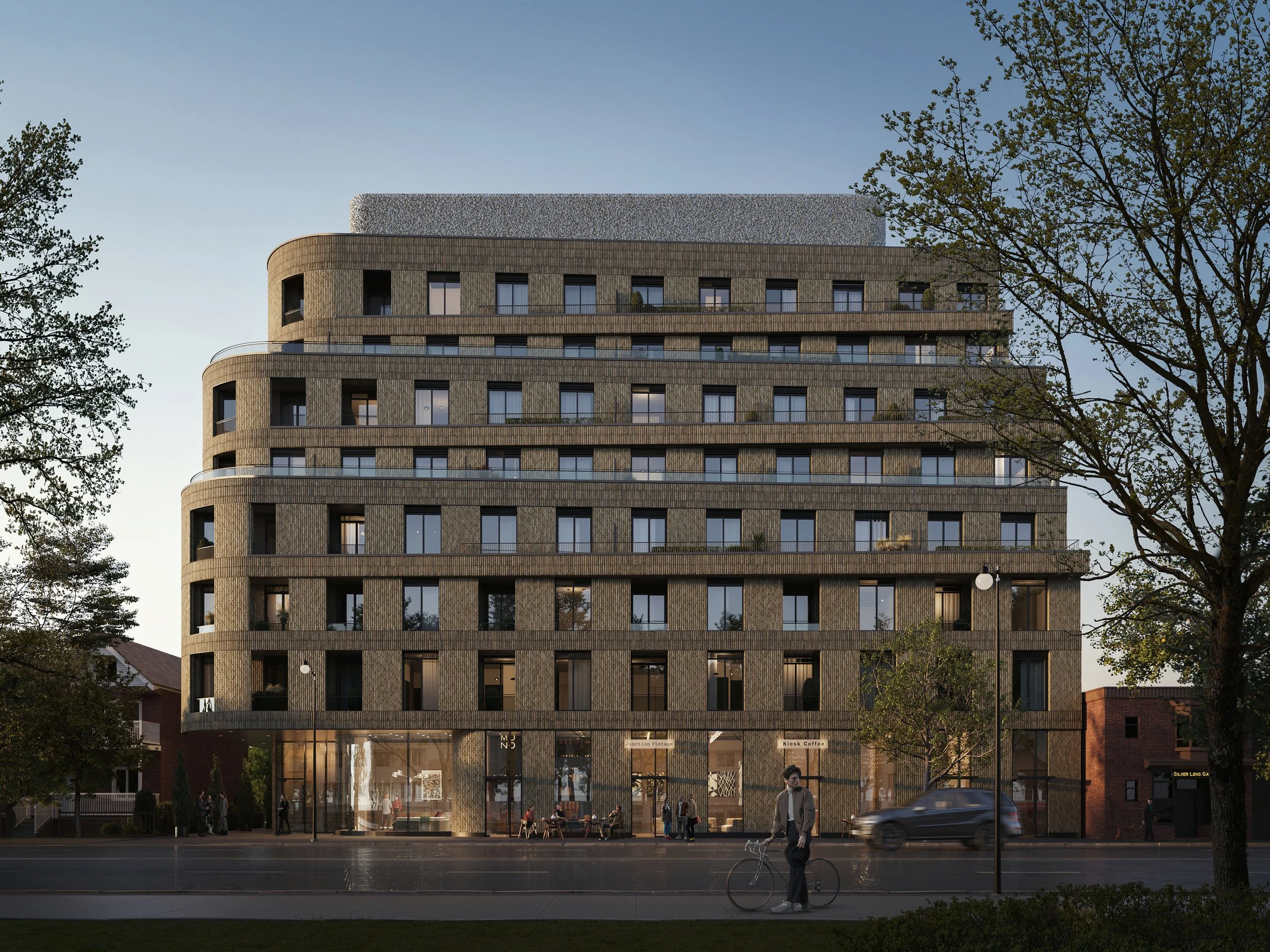
If you're cross-shopping new construction in Toronto, Junction Point and Metro Park will likely both show up on your list. Both are mixed-use developments in Toronto, Ontario, and both offer a range of suite sizes that could suit a first-time buyer, a downsizer, or an investor. But they differ in meaningful ways once you look past the surface-level similarities. Here's an honest breakdown to help you figure out which one fits your situation better.
Price: A Gap Worth Noting
Junction Point, built by Gairloch, is priced from $500,000. Metro Park, from DBS Developments, starts from $642,900. That's a difference of roughly $143,000 at the entry point, which matters a lot depending on your budget and what you're trying to get into the market.
It's worth remembering that "from" pricing typically reflects the smallest or most basic suite type in a project. Before drawing conclusions, it's worth reviewing the full unit mix and current pricing for each project directly — view the full listing on LIQWD for both Junction Point and Metro Park to see how pricing breaks down across floor plans.
Unit Sizes and Layouts
Both projects offer a comparable spread of suite sizes:
- Junction Point: 1 to 3 bedroom plus den suites, ranging from 477 to 1,423 square feet
- Metro Park: Suites ranging from 478 to 1,521 square feet
The size ranges are close at the small end, with both starting around 477–478 square feet, likely a studio or compact one-bedroom layout. At the top end, Metro Park's largest suites run about 100 square feet larger than Junction Point's. If you need a specific bedroom count, Junction Point's facts explicitly list 1 to 3 bedroom plus den configurations, which gives you a clearer picture of what's available. Metro Park's listing describes the size range without breaking out bedroom counts, so if a specific layout matters to you, that's a detail to confirm directly on the listing.
Timeline: This Is the Big Differentiator
Here's where the two projects diverge most sharply.
Junction Point is already completed, with occupancy as of 2024. That means there's no waiting period tied to construction. If it's available for purchase, you'd know substantially more about the finished product than you would with a project still being built, since the building itself already exists.
Metro Park has an estimated completion of 2026. That's a multi-year gap compared to Junction Point, and it changes the buying calculus considerably. A longer runway to occupancy means more time for deposit structures to play out, more time for your financial situation to change, and more uncertainty around construction timelines in general, which can shift.
For buyers who want to move in soon or who are wary of construction delays, Junction Point's completed status removes a major variable. For buyers who have time on their side, or who are trying to secure a specific price point ahead of completion, Metro Park's pre-construction timeline is part of the appeal, even though it carries the usual pre-construction unknowns.
Status: What "Unpublished" Means Here
Both listings currently show "unpublished" for overall project status, storeys, and unit counts. This isn't unusual for new construction marketplaces, since builders release information in phases, and some details simply haven't been made public yet. It does mean that if you want specifics on building height, total unit count, or amenities, you'll need to check directly with the listing or reach out to the builder, since those facts aren't confirmed publicly at this stage for either project.
Builder Background
Junction Point comes from Gairloch. Metro Park comes from DBS Developments. Builder reputation, track record, and past projects are worth researching independently if you don't already have context on either company, since that history can shape everything from construction quality to how closely a project sticks to its stated timeline.
Which Should You Choose?
There's no universal answer here. Consider:
- Budget-first buyers: Junction Point's lower starting price of $500,000 may open the door at a more accessible entry point.
- Move-in timeline: If you need or want to occupy soon, Junction Point's 2024 completion is already behind it. Metro Park's 2026 estimated completion means a longer wait.
- Suite size ceiling: If you're after the largest possible unit, Metro Park's upper range of 1,521 square feet edges out Junction Point's 1,423 square feet.
- Investors: Timeline and entry price both affect carrying costs and how long capital is tied up before a suite is livable or rentable. Neither project's pricing or timeline should be read as a signal of future value. Weigh construction timeline risk and current market pricing independently.
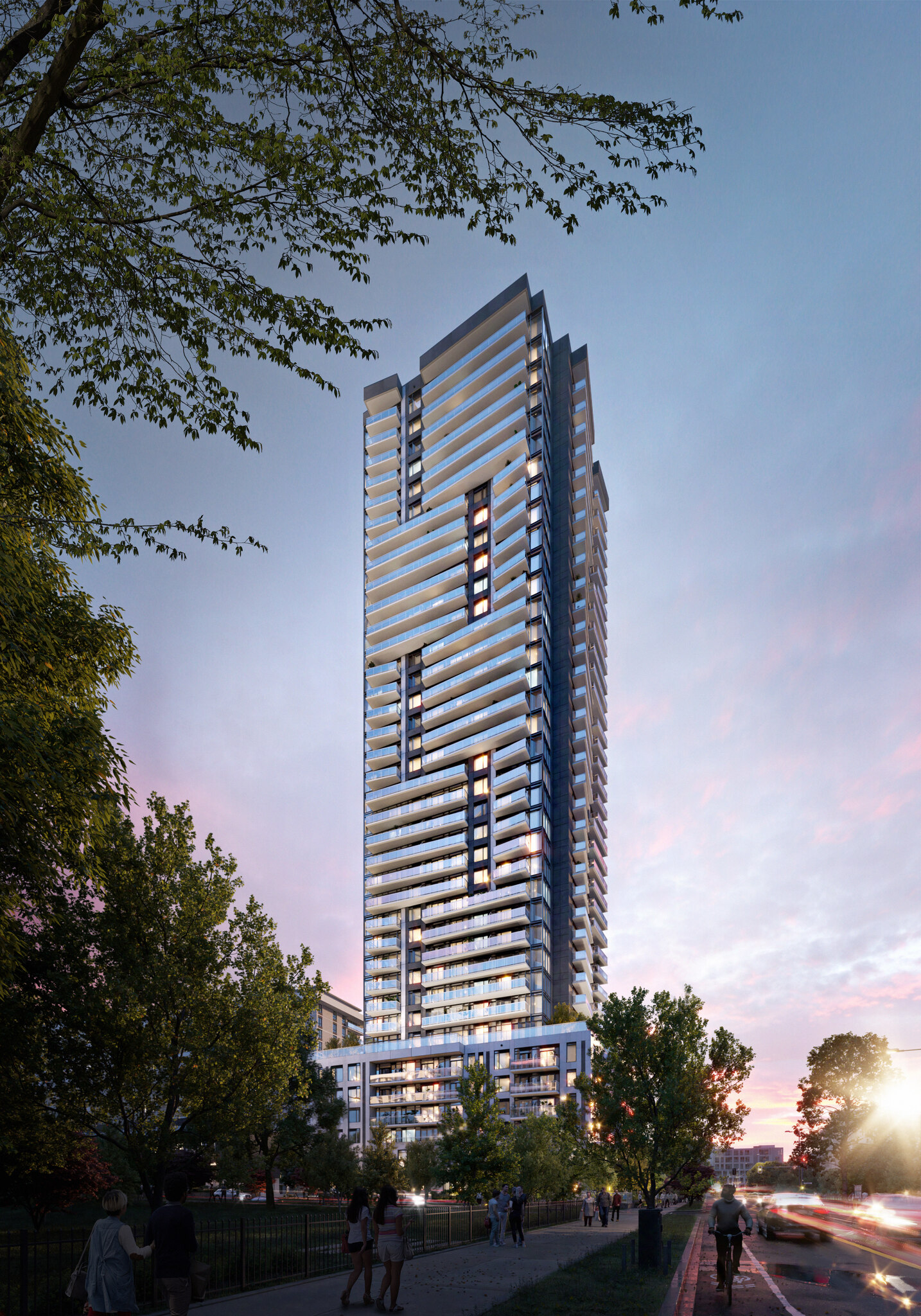
The right move is to look closely at both listings, compare current pricing on the specific floor plans that fit your needs, and factor in how each project's timeline lines up with your own. View the full listing on LIQWD for Junction Point and Metro Park to get the current details before making a decision.
Projects in this article
Facts in this article come from the project listings LIQWD tracks and were accurate when published. Pricing, availability, and timelines for pre-construction homes change — always confirm details on the live listing or with the sales team before making decisions.